Zoho and HubSpot are capable CRMs, but neither was built for Panchakarma cycles or doctor-patient continuity. Here's an honest look at what changes when your CRM actually understands wellness operations.
If you've been running your Ayurveda or Panchakarma center on spreadsheets and WhatsApp forwards, at some point you've probably typed "best CRM for wellness center" into Google and landed on the same two names every time: Zoho and HubSpot. Both are capable, well funded platforms. Neither was built with your patient journey in mind.
Here's the honest comparison, not the "our tool is magic" pitch, but what actually changes when a CRM understands Panchakarma cycles, doctor consultations, and repeat-visit therapy plans instead of treating every contact like a sales lead.
Where Zoho and HubSpot genuinely work
Zoho CRM is inexpensive, flexible, and has a low barrier to entry, if you have someone in-house willing to build out custom modules from scratch. HubSpot's strength is marketing automation and its free tier, which is attractive if your center's core need is email nurturing for first-time inquiries.
Both fall short in the same three places for wellness and Ayurveda businesses:
- Treatment cycles aren't sales pipelines. A Panchakarma program isn't a single transaction, it's a multi-day protocol with pre-care instructions, daily therapy logs, dietary notes, and a follow-up consultation weeks later. Generic CRMs model this as one deal stage moving left to right. You end up building workarounds, or worse, tracking the clinical side back in a notebook.
- Doctor-patient continuity gets lost. Ayurveda treatment is relationship-driven, the same physician often needs visibility into a patient's history across visits, and repeat programs. Zoho and HubSpot are built around a sales rep's pipeline, not a practitioner's patient record.
- Seasonal demand isn't built into the logic. Monsoon Panchakarma season, post-monsoon detox windows, winter Rasayana therapy, your inquiry volume moves with the calendar in ways a generic sales CRM has no concept of. You end up manually tagging and segmenting what should be automatic.
What a wellness-specific CRM does differently
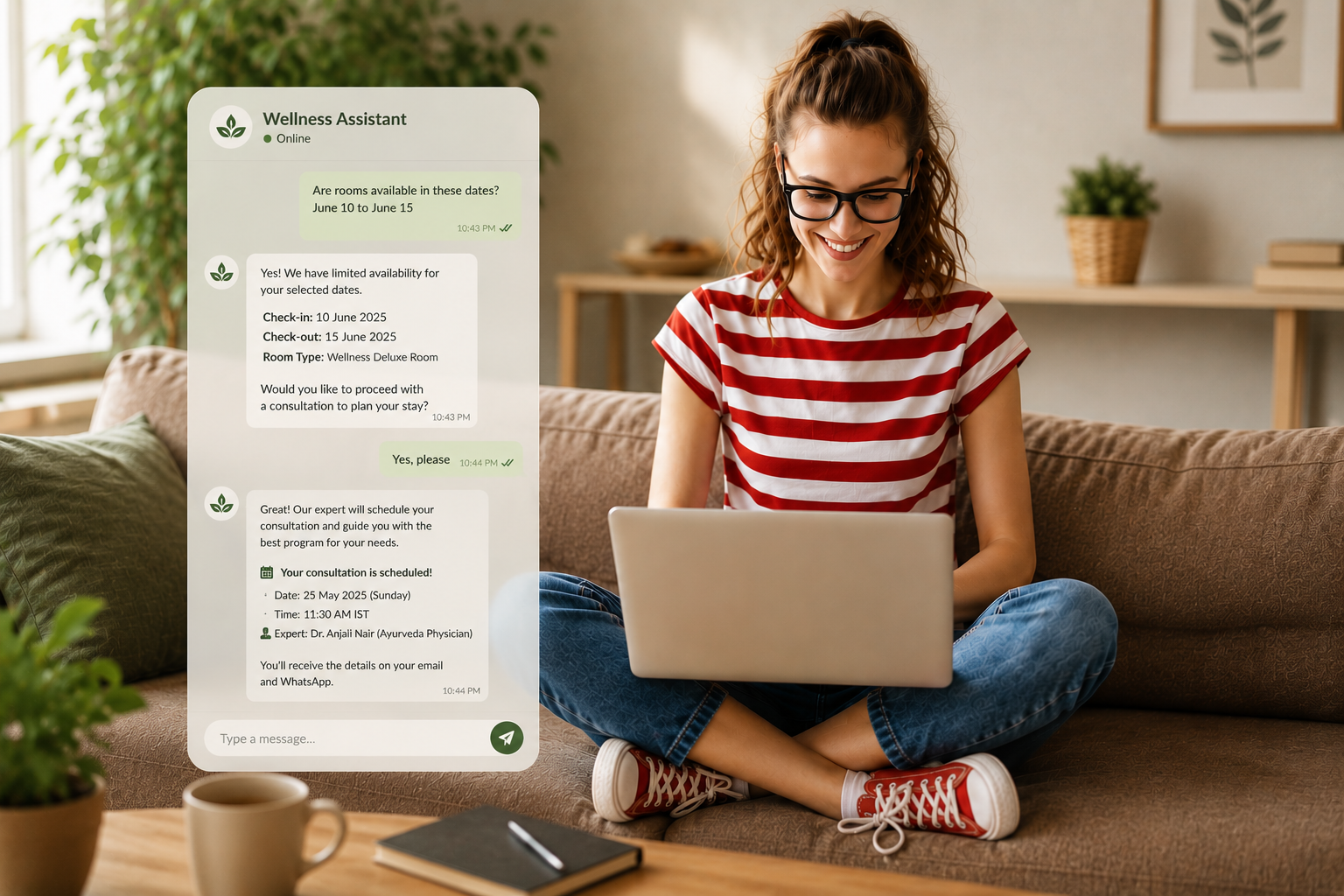
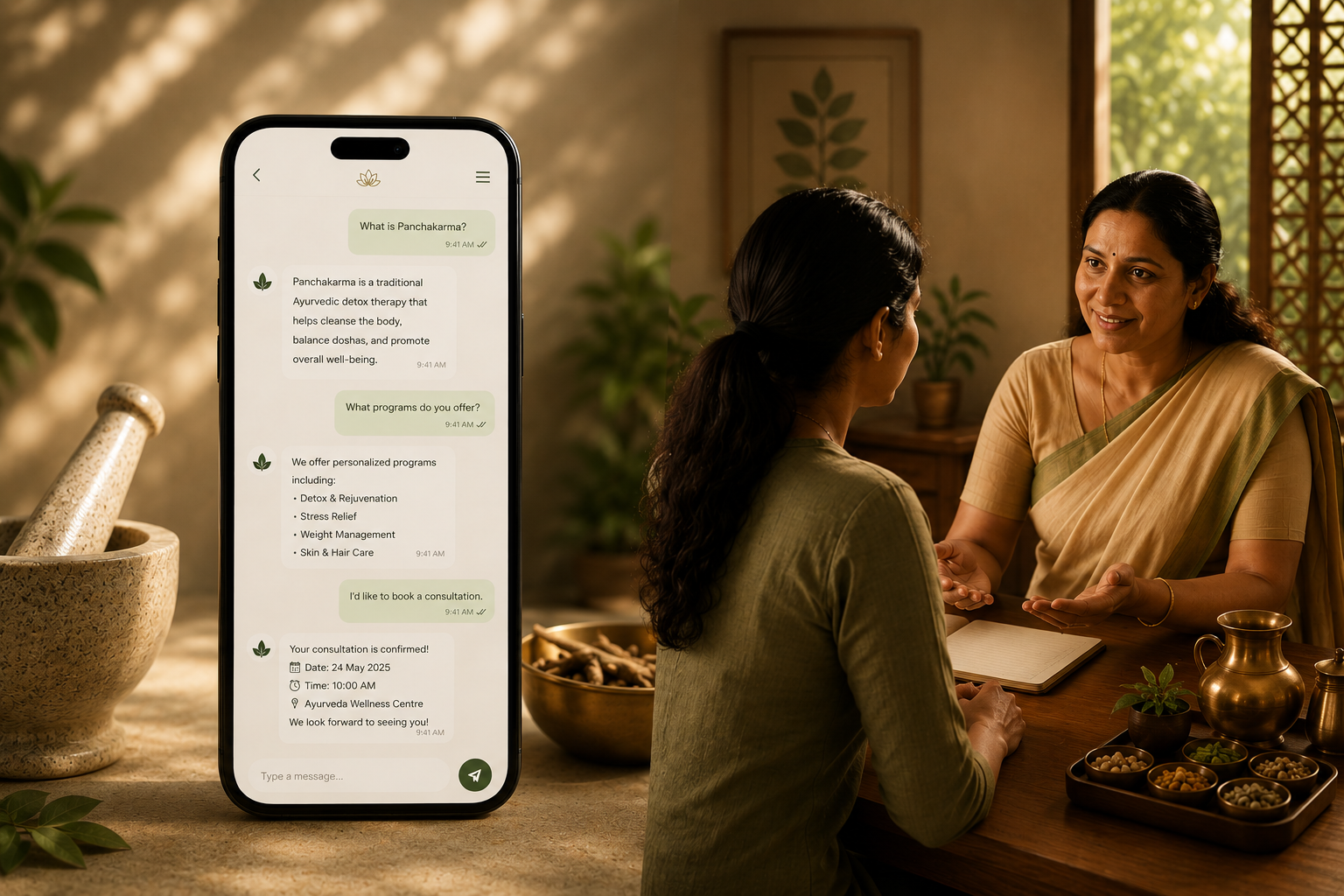
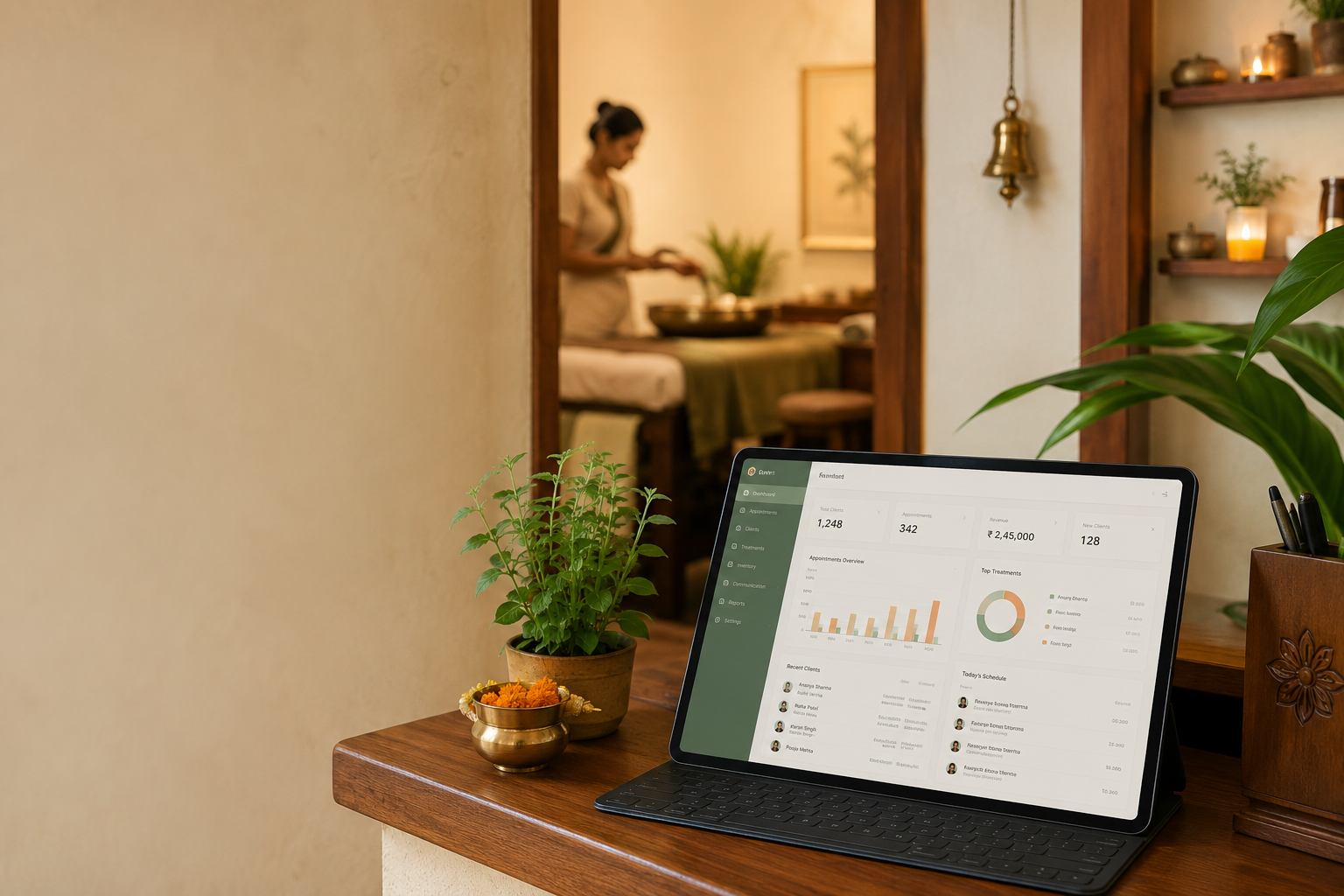
A CRM configured specifically around Ayurveda and wellness workflows treats a patient's first WhatsApp inquiry, their consultation booking, their treatment calendar, and their post-program follow-up as one continuous record, not four disconnected systems stitched together with manual entry.
That means:
- Automated segmentation by treatment interest and season (Panchakarma, weight management, stress care, chronic conditions)
- Doctor-linked patient histories that carry across visits and years
- Follow-up sequences that match the actual rhythm of a treatment program, not a generic 3-email drip
- WhatsApp and call logs sitting inside the same record as the booking and payment
This isn't a knock on Zoho or HubSpot as products, it's a mismatch between generic sales tooling and clinical, cyclical wellness operations. If your center is still small and your inquiry volume is low, a general CRM with some manual tagging can hold for now. The moment you're running multiple treatment lines, multiple doctors, or scaling past a single branch, the gap starts costing you actual missed follow-ups and lost revenue.
The real question to ask
Not "which CRM has more features", but "which one understands that a Panchakarma inquiry in June behaves nothing like a spa-day inquiry in December." That's the difference a wellness-specific setup makes, and it's usually invisible until you've lived with the alternative for a year.
See how a Wellness CRM handles Panchakarma cycles that Zoho can't
Book a free CRM audit

Yogicverse
Ready to Transform Your Wellness Business?
Get specialized CRM, AI Chatbot, and Marketing solutions for your center.
Get Started Today